Development of Marine Restoration Materials
Field validation: working with Takuma Fisheries Cooperative in Mitoyo, Kagawa, in a real marine environment.

Field Connections
Testing in real water environments is essential to assess new research and technologies. Leave a Nest has worked with companies, local governments, fisheries cooperatives, and research institutions to create opportunities to use factories, rivers, lakes, fishing ports, and coastal areas as research and development fields. Here we introduce our experience creating demonstration fields and preparing for field trials.
MODEL EXPLAINED
We connect hypotheses and technologies developed in the laboratory with places facing water environment and element and resource circulation challenges. By working with the conditions and stakeholders at each site, we create opportunities for validation that are meaningful to both research and the field.
INPUT
WHAT WE DO
We clarify research and technology objectives and what needs to be tested, such as changes in water quality, movement and accumulation of elements, and resource recovery and use.
We explore rivers, lakes, fishing ports, coastal areas, and factories, and seek companies, local governments, fisheries cooperatives, and research institutions that share the challenges and objectives.
We assess water and facility conditions, wastewater and resource availability, timing, safety, and relevant regulations, aligning the needs of both the field and researchers.
We define roles and ways of working with stakeholders and develop a plan for field surveys and demonstrations concerning water, elements, and resource circulation.
OUTPUT
Field validation: working with Takuma Fisheries Cooperative in Mitoyo, Kagawa, in a real marine environment.
Survey completed: assessing biodiversity in the Tama River system and Lake Biwa with fisheries cooperatives and schools.
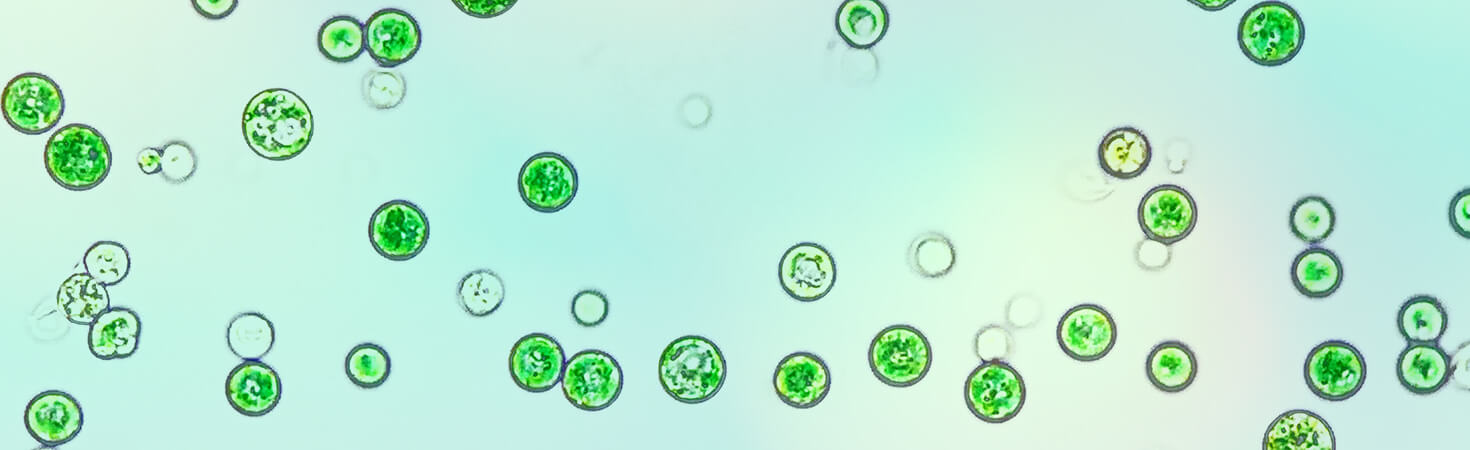
Demonstration preparation: working toward applying the technology at mines in the Philippines and other sites.