
Leave a Nest Co., Ltd. and Inoca Corporation will officially launch BETA, a biodiversity assessment service that detects ecosystem risks from chemicals such as cosmetics, detergents, and industrial wastewater through molecular biological methods using medaka fish raised with Inoca's patented environmental transfer technology. The service is scheduled to begin on September 19, 2025.
BETA supports companies preparing TNFD disclosures by making potential risks that conventional toxicity tests may miss visible and enabling science-based environmental management.
Background
As companies face growing expectations to assess and disclose their impacts on biodiversity, chemical substances' invisible risks have become an important management issue. Conventional toxicity tests often focus on visible effects such as mortality and external changes. Molecular biological assessment can reveal changes at the cellular and genetic levels, providing more objective data for evaluating environmental impacts and supporting transparent disclosure.
Service overview
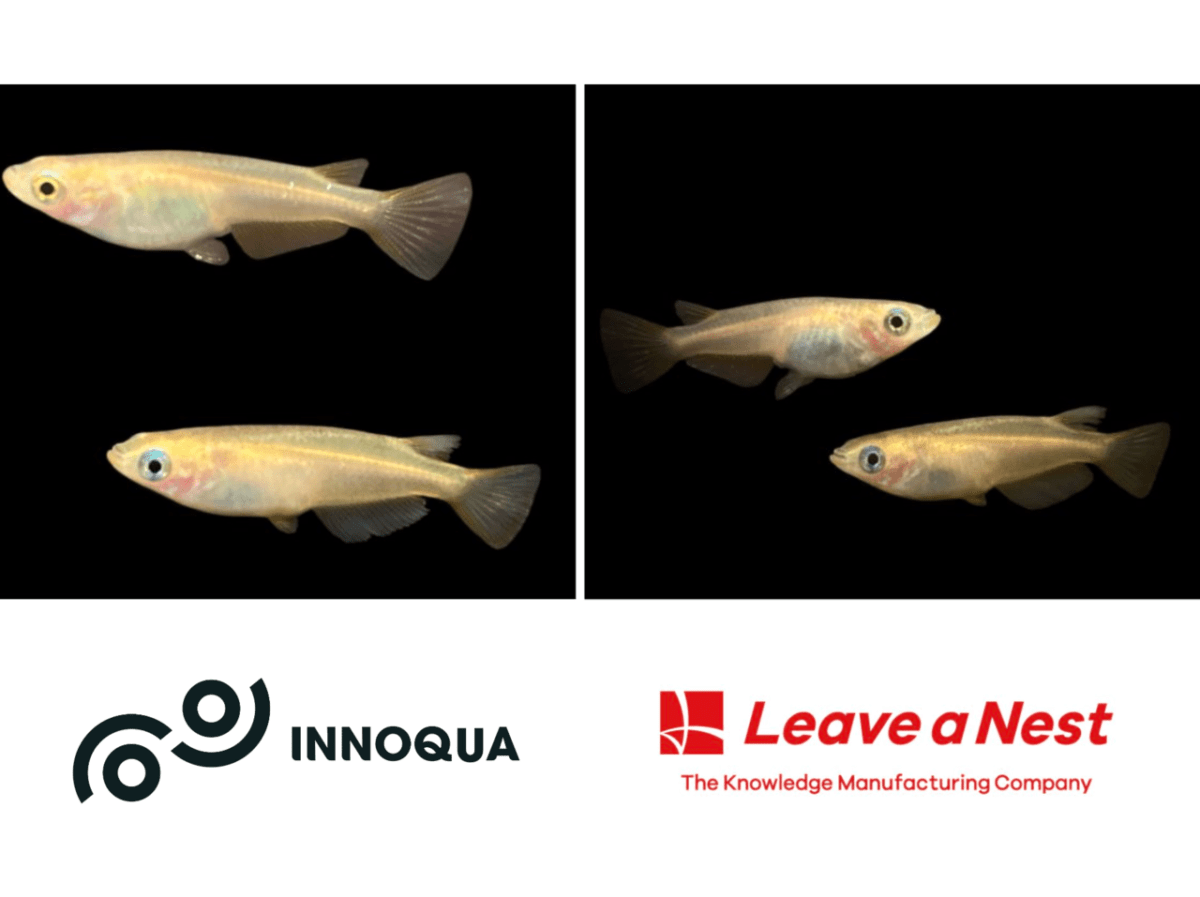
BETA evaluates the effects of chemicals, wastewater, and products on organisms and the environment by analyzing changes in gene-expression patterns, in addition to visible changes. Even when a fish appears healthy, changes in gene expression may provide an early indication of future health risks.
BETA is, according to Inoca, Japan's first commercial molecular biological assessment service using organisms managed under its patented environmental transfer technology for purposes including corporate TNFD disclosure.
Three steps
- Interview: confirm the test substance and experiment and develop a plan.
- Experiment: specialists conduct an experiment for approximately one month at Inoca's managed facility.
- Report and explanation: submit a report and explain the results.
The service is intended for chemical, pharmaceutical, pesticide and fertilizer manufacturers; manufacturers of cosmetics, detergents, and other consumer goods; environmental consultants; universities and research institutions; and public agencies and local governments.
Environmental transfer technology
Environmental transfer technology recreates aquatic natural environments in tanks on land. AI and IoT devices structure elements including water quality, temperature, currents, lighting, microorganisms, and relationships among organisms, making it possible to build stable environments suitable for experiments and analysis regardless of location.